How Coastal Winter Affects Your Skin
Humid Cold That Confuses the Skin
Humidity doesn't always hydrate your skin, despite the air feeling damp. Indoor heating, outside breeze, and rapid temperature swings can cause skin to feel both greasy and dry at the same time.
Pollution Buildup
Coastal cities are crowded and winter keeps pollutants trapped near the ground. This leads to:
-
Clogged pores
-
Dull, tired-looking skin
-
Rough texture, especially around the nose and chin
Salty Sea Breeze & Wind Irritation
Cold wind combined with salt from the sea may damage the skin barrier, causing:
-
Redness on cheeks
-
Sensitivity in the nose area
-
Dehydration patches
Sudden Moisture Loss Indoors
Heated homes draw moisture from the skin fast, resulting in:
-
Dry hands or under-eyes
-
Dehydration patches
-
Fine lines that are visible
In summary, coastal skin experiences a complex mix of humidity, pollution, wind, and interior dryness throughout the winter, which can cause it to appear oily, dull, and sensitive all at once.
The Ideal Coastal Winter Routine
To keep your skin balanced along the coast, follow this simple, effective routine:
Step 1: Gentle Daily Cleanser (AM & PM)
Removes pollution particles without stripping natural oils. Avoid harsh soaps that leave skin tight.
Step 2: Lightweight Hydration (Morning)
-
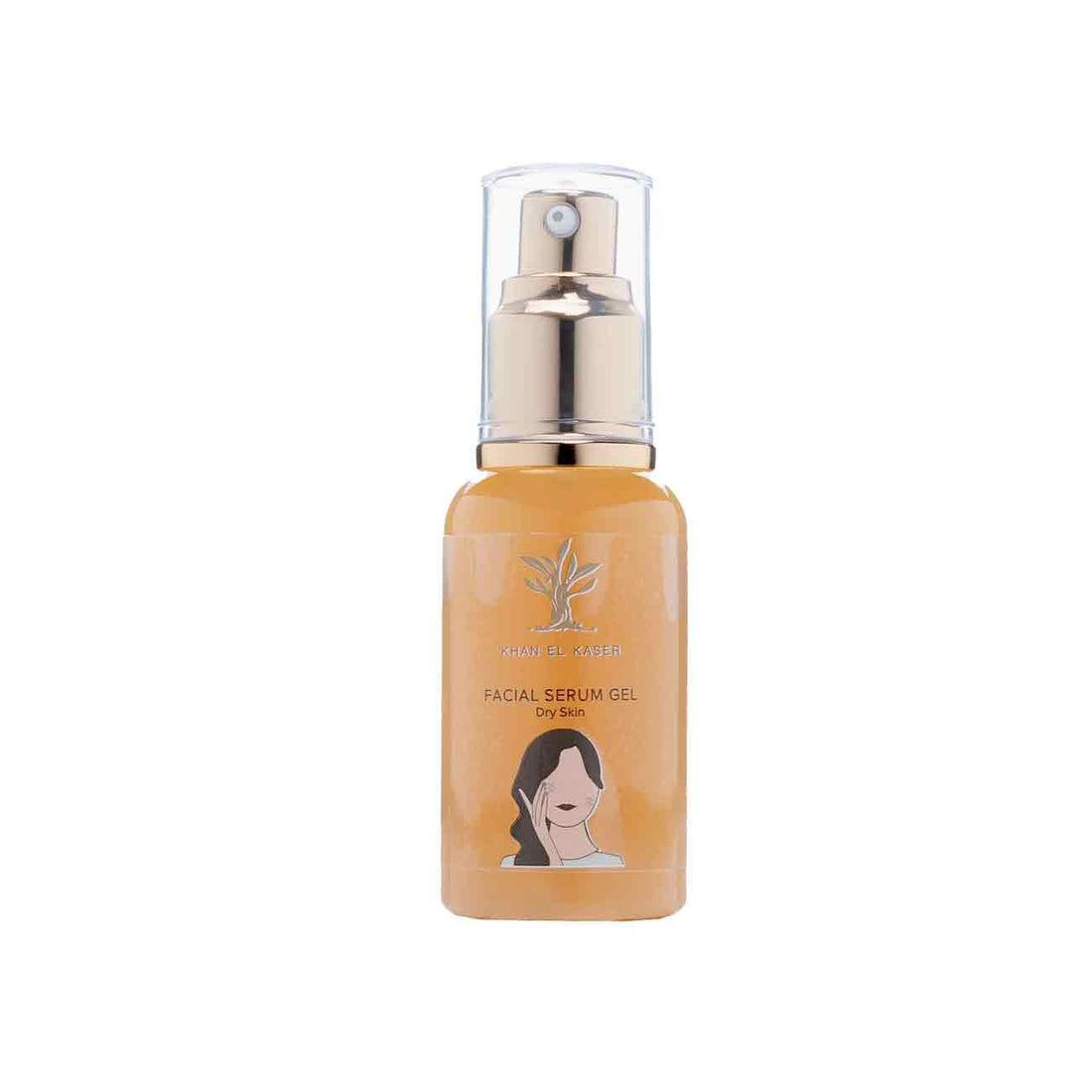
Gel moisturizers, light creams, or facial mists
-
Locks in moisture without clogging pores
-
Ideal for humid air
Step 3: Barrier-Friendly Moisturizer (Night)
Rich but non-greasy creams protect against wind and indoor heaters, repairing the skin barrier while you sleep.
Step 4: Weekly Gentle Exfoliation
Removes pollution buildup and dead skin cells, revealing a smoother, brighter complexion.
Step 5: Post-Shower Moisturization
Apply body lotion or light butter within 3 minutes after showering to prevent water loss from heated indoor air.
Step 6: Hydrating Mist on the Go
Refreshes the skin, balances hydration, and reduces irritation caused by changing temperatures.
Quick Tips for Coastal Winter Skincare
-
Avoid heavy creams during the day; they feel too greasy in humidity.
-
Use antioxidants (vitamin C, green tea) to protect against pollution damage.
-
SPF is still essential, even on cloudy coastal winter days.
Conclusion
Winter on the Lebanese coast creates unique skin challenges: humidity, pollution, salty wind, and indoor heaters. Following a lightweight, pollution-conscious routine keeps your skin balanced, hydrated, and comfortable all season long.